
Handles user authentication and security. Manages login, registration, and verification processes to ensure secure user access.
Defines access levels and manages role-based authorization across the system.
Provides visibility into user activity, email communications, and system-wide events to assist with diagnostics and issue resolution.
Manages the full purchase lifecycle — from cart and checkout to billing, renewals, and subscription management.
Handles secure file storage, sharing, and organization for user content.
Handles AI-driven interactions and prompt generation, enabling conversational workflows and result interpretation.
The modules are built on top of the modular Live Elements Web tech-stack. Inside the bundle.lv configuration file, a few lines of code is all it takes to get them up and running. Once they are up, you can start tweaking them up to the smallest level of detail.
For example, the Authenticator module, which handles users and authentication, can be setup in bundle.lv:
instance bundle Bundle{
  LocalDatabaseSetup{} // quick db for authenticator
  Authenticator{}
}
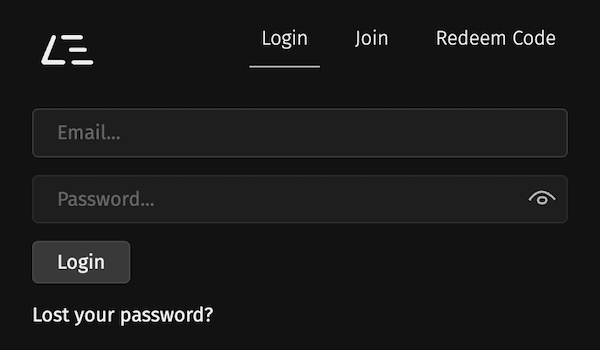
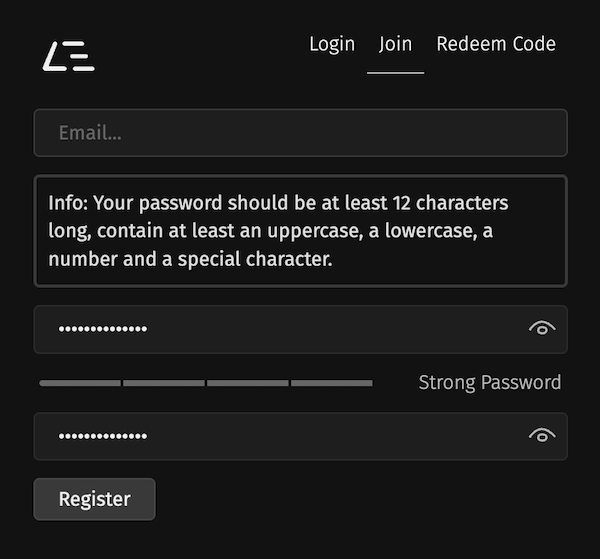
This will create a login form at /login, a registration form at /register, together with other pages with API routes. By starting the server with this single line added to bundle, you will be able to already use all of these pages.
To protect a page or route, so only logged in users can visit it, simply add authenticator#in to the routes context property:
instance bundle Bundle{
  LocalDatabaseSetup{}
  Authenticator{}
  GetCX{
    url: '/'
    context: ['authenticator#in'] // this route is now protected
    f: (req, res) => { res.send('You are logged in.') }
  }
}
The authenticator can further be configured to support email validation, 2FA, invitation based registration, unique code based registration, password recovery, and others.
Module for user registration, logging in and out users, with email support.
Login View
Registration View
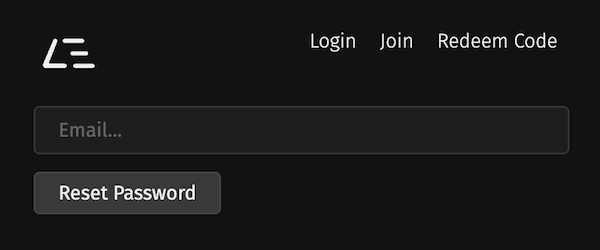
Lost Password View
instance bundle Bundle{
  LocalDatabaseSetup{}
  Authenticator{}
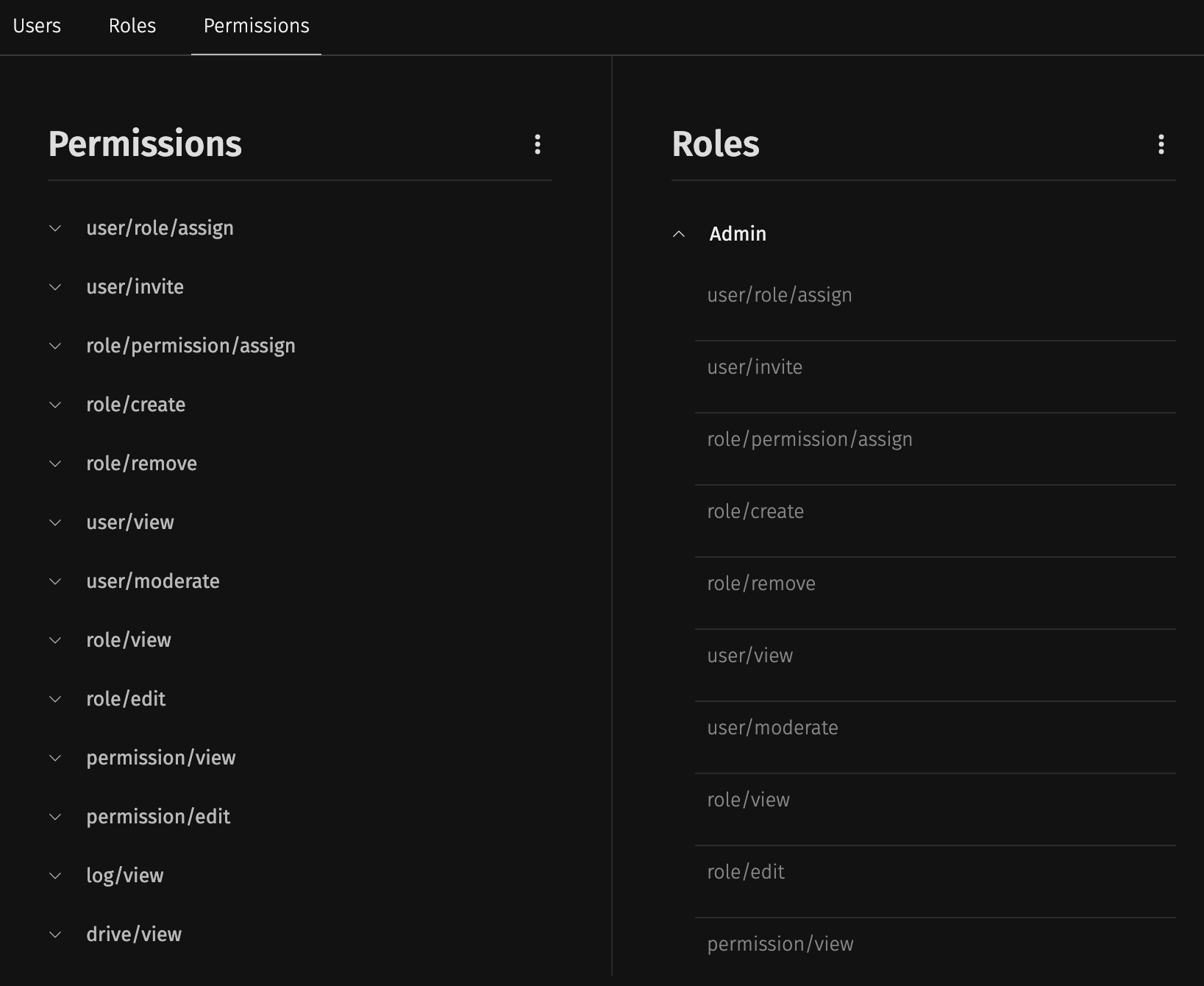
}Module to manage user permissions and roles and restrict routes and actions based on set permissions.
Permissions And Roles View
User Roles View
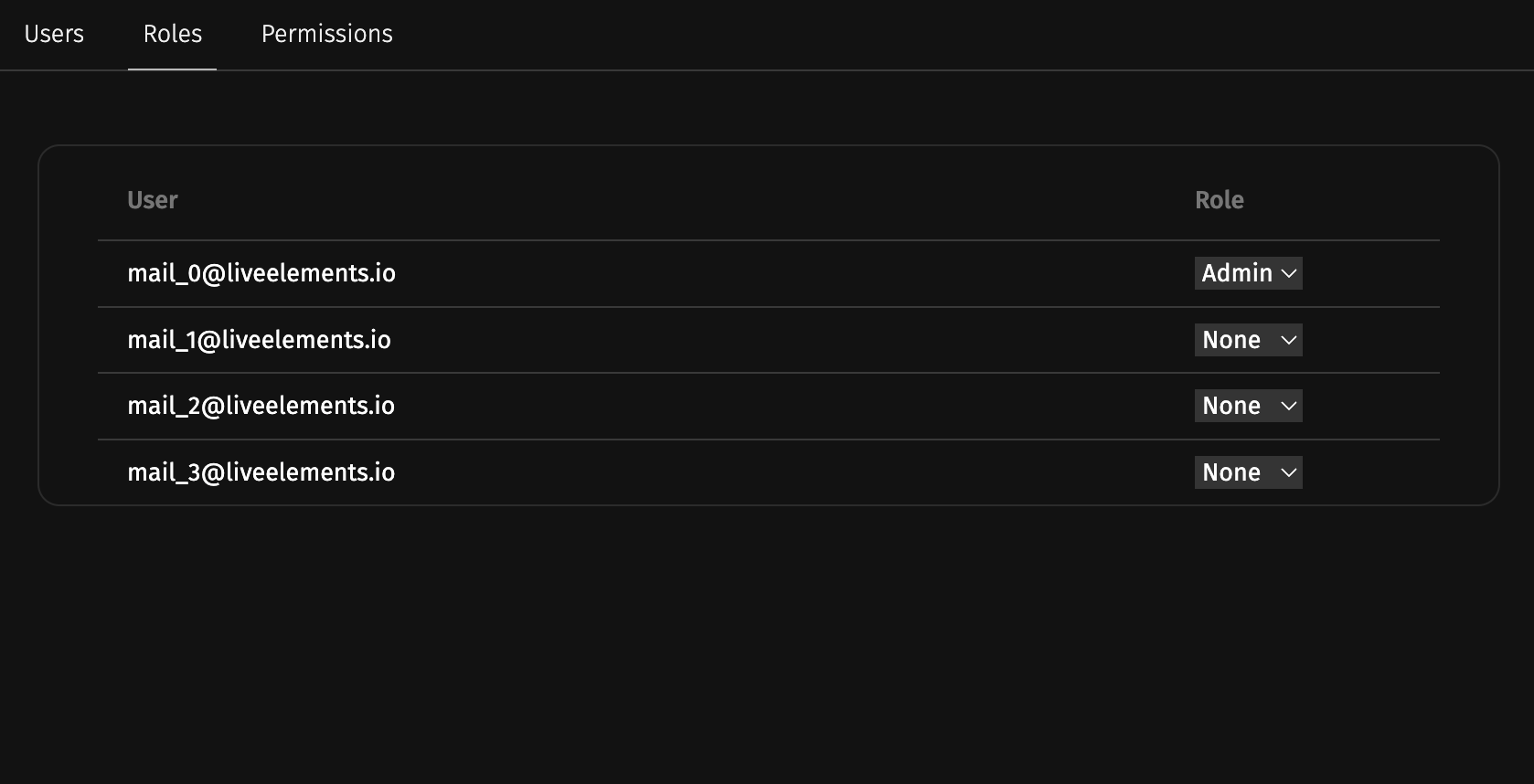
instance bundle Bundle{
  LocalDatabaseSetup{}
  Authenticator{ id: authenticator }
  PermissionsAdmin{
    userModel: authenticator.model
    context: ['authenticator#in']
  }
}Module to provide visibility into user activities, email communications, and system-wide events.
Activity View
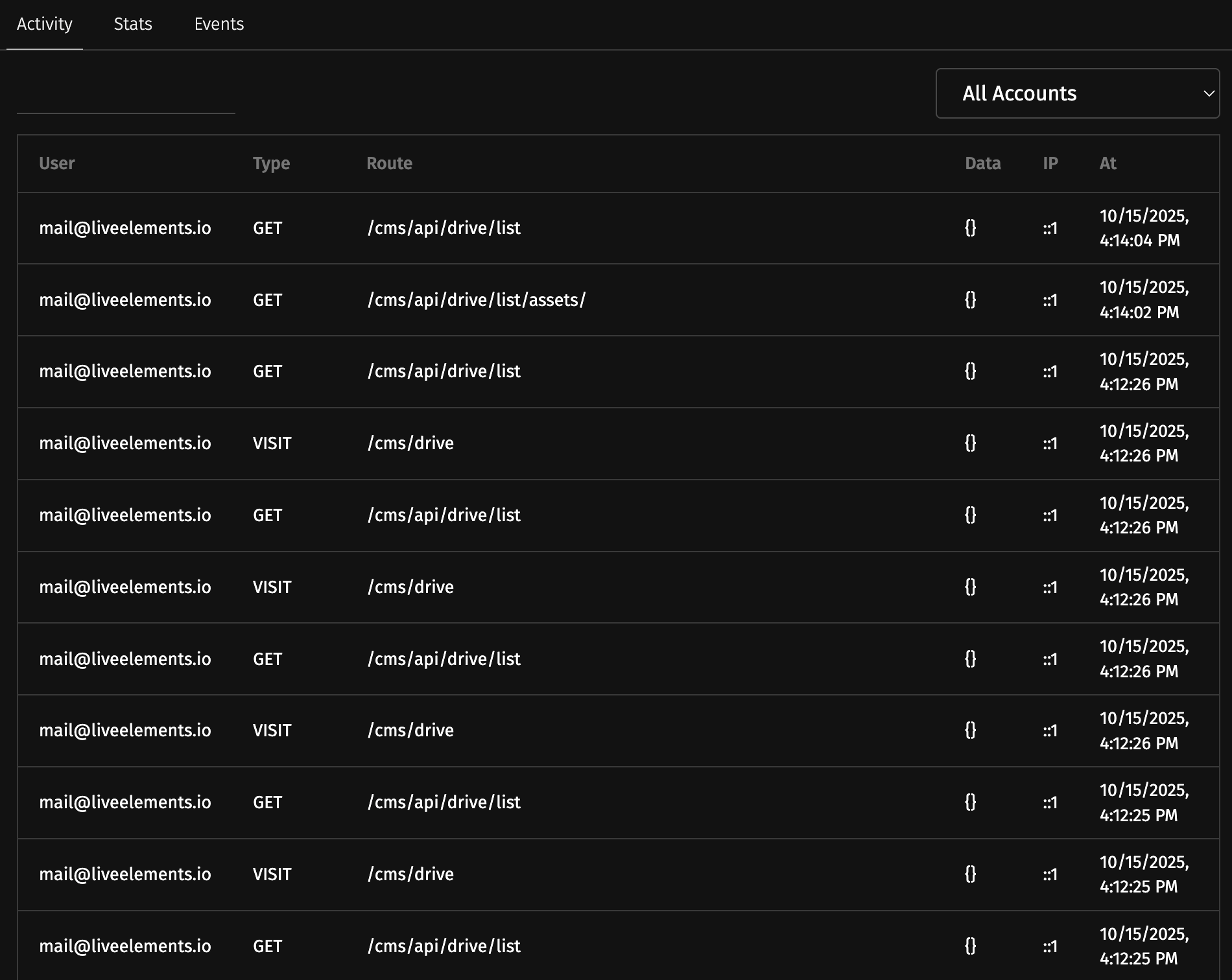
instance bundle Bundle{
  LocalDatabaseSetup{}
  Authenticator{ id: authenticator }
  Support{
    userModel: authenticator.model
  }
}Module to handle product sales, subscriptions, and inventory management. It manages the full purchase lifecycle, from cart and checkout to billing, renewals, and stock tracking.
Subscriptions View
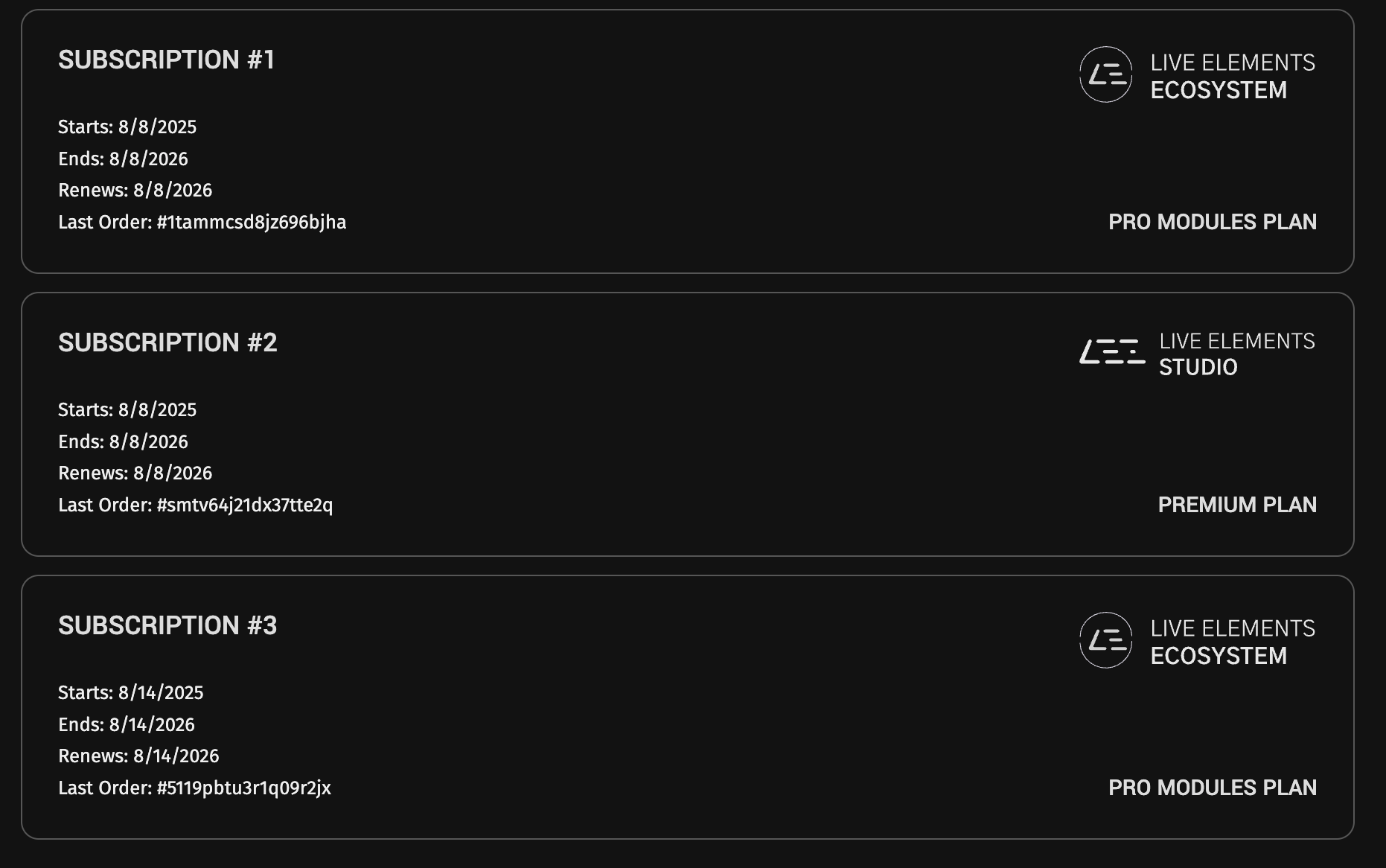
instance bundle Bundle{
  LocalDatabaseSetup{}
  Commerce{}
}Module to handle file storage, sharing, and collaboration.
Drive Folder View
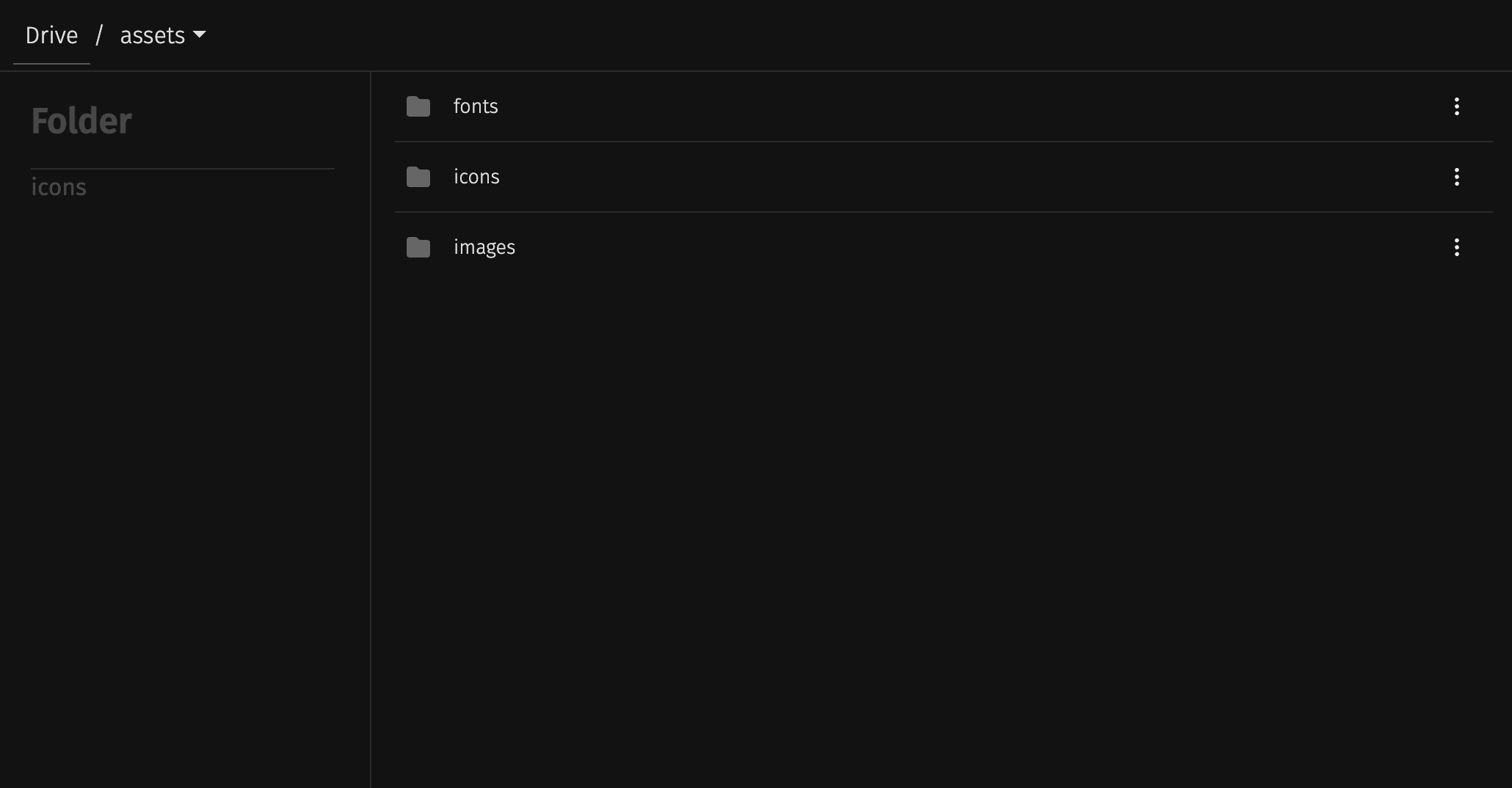
instance bundle Bundle{
  LocalDatabaseSetup{}
  Drive{
    driveController: new AWSControl( // controller / storage for drive
      process.env.BUCKET_NAME,
      process.env.BUCKET_ACCESS_KEY_ID,
      process.env.BUCKET_SECRET_ACCESS_KEY,
      process.env.BUCKET_AWS_REGION
    )
  }
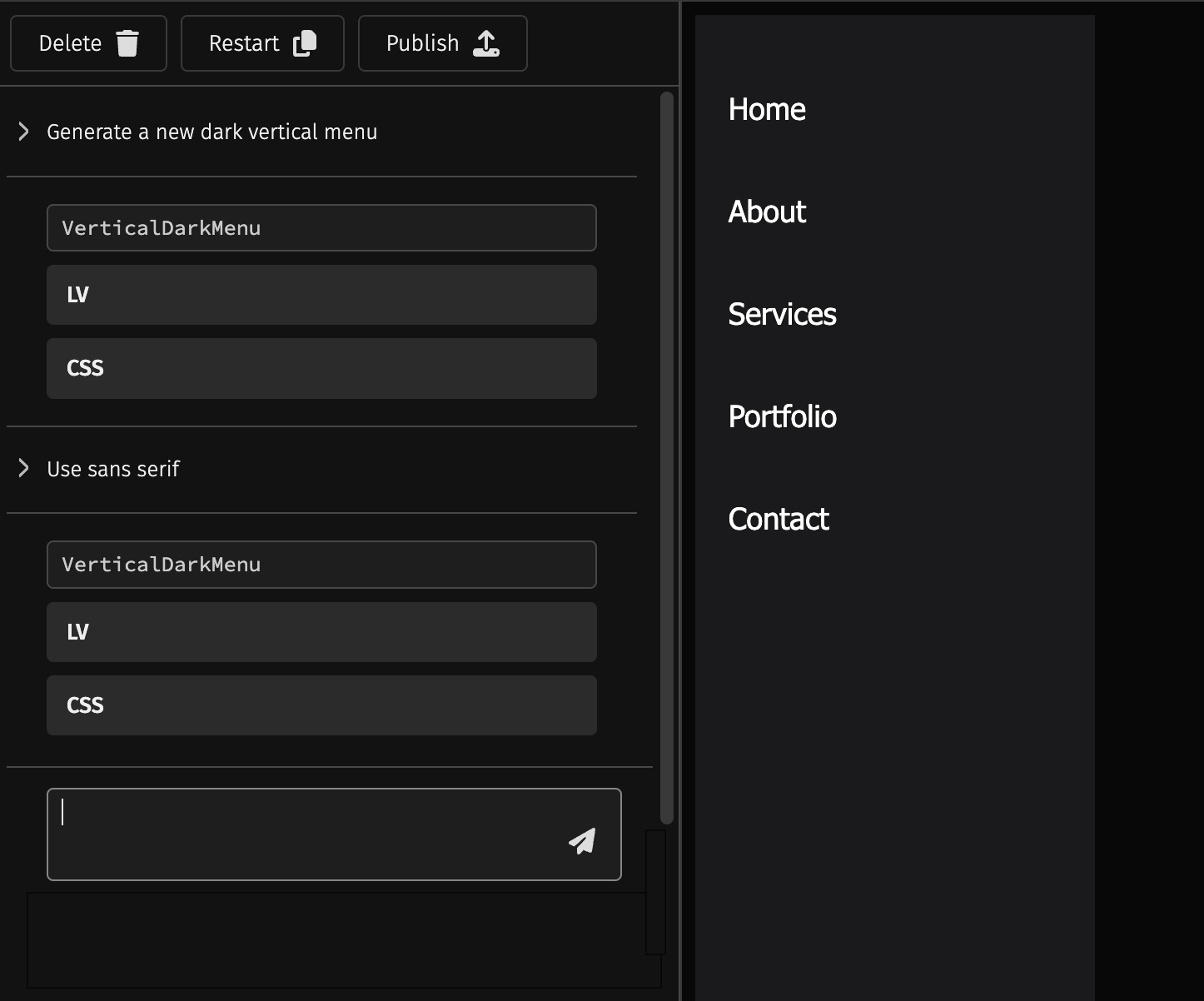
}Module to handle AI-driven interactions and prompt generation. It enables users to create, manage, and interpret AI prompts through conversational and customizable interfaces.
Conversation And Page Generation View
instance bundle Bundle{
  LocalDatabaseSetup{}
  PromptGen{
    id: promptGen
    processors: [
        new PromptGenProcessor(
            'processor-name',
            new ConfiguredTokenGenerator(process.env.KEY),
            new HtmlExtractor()
        )
    ]
}